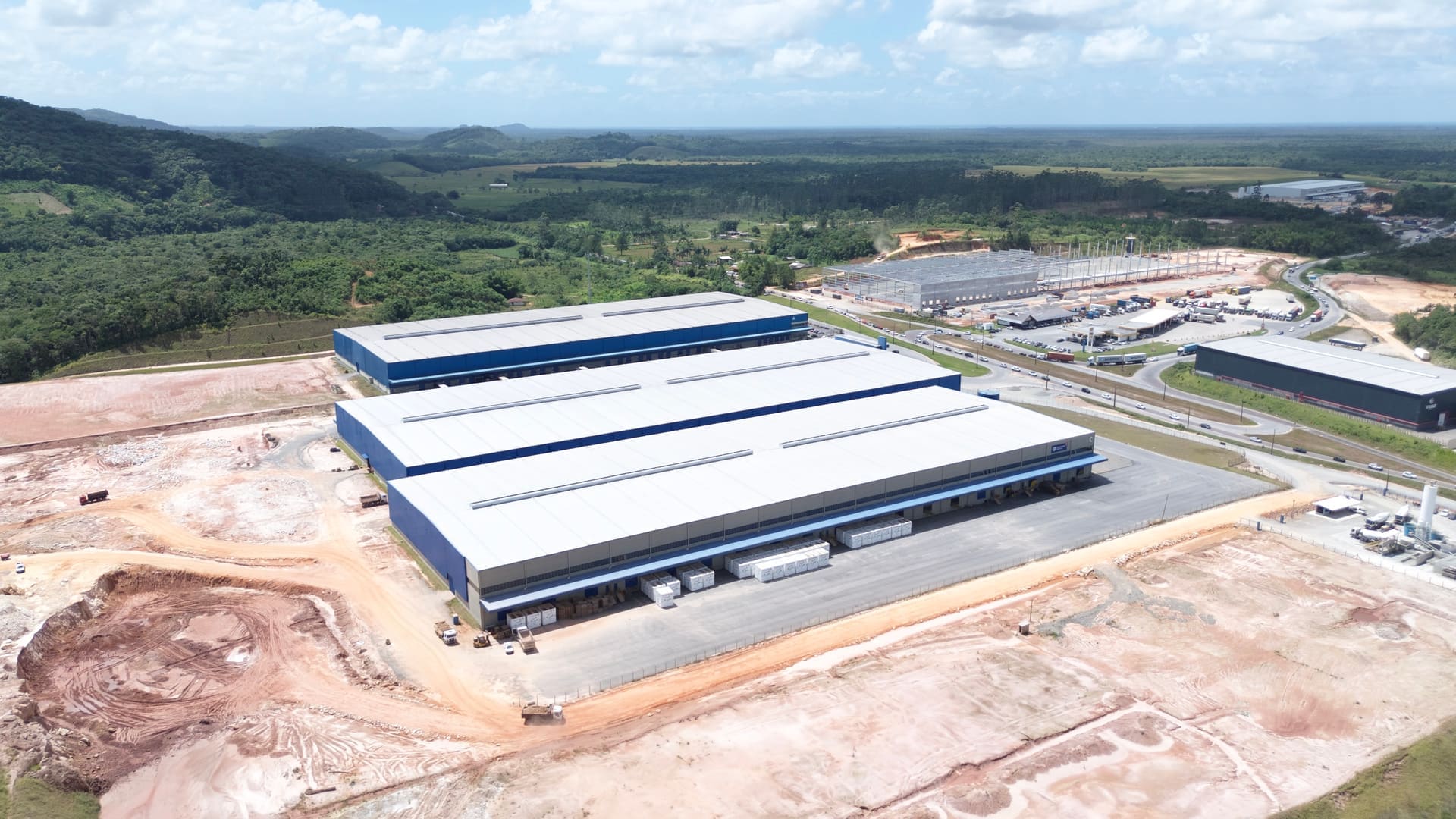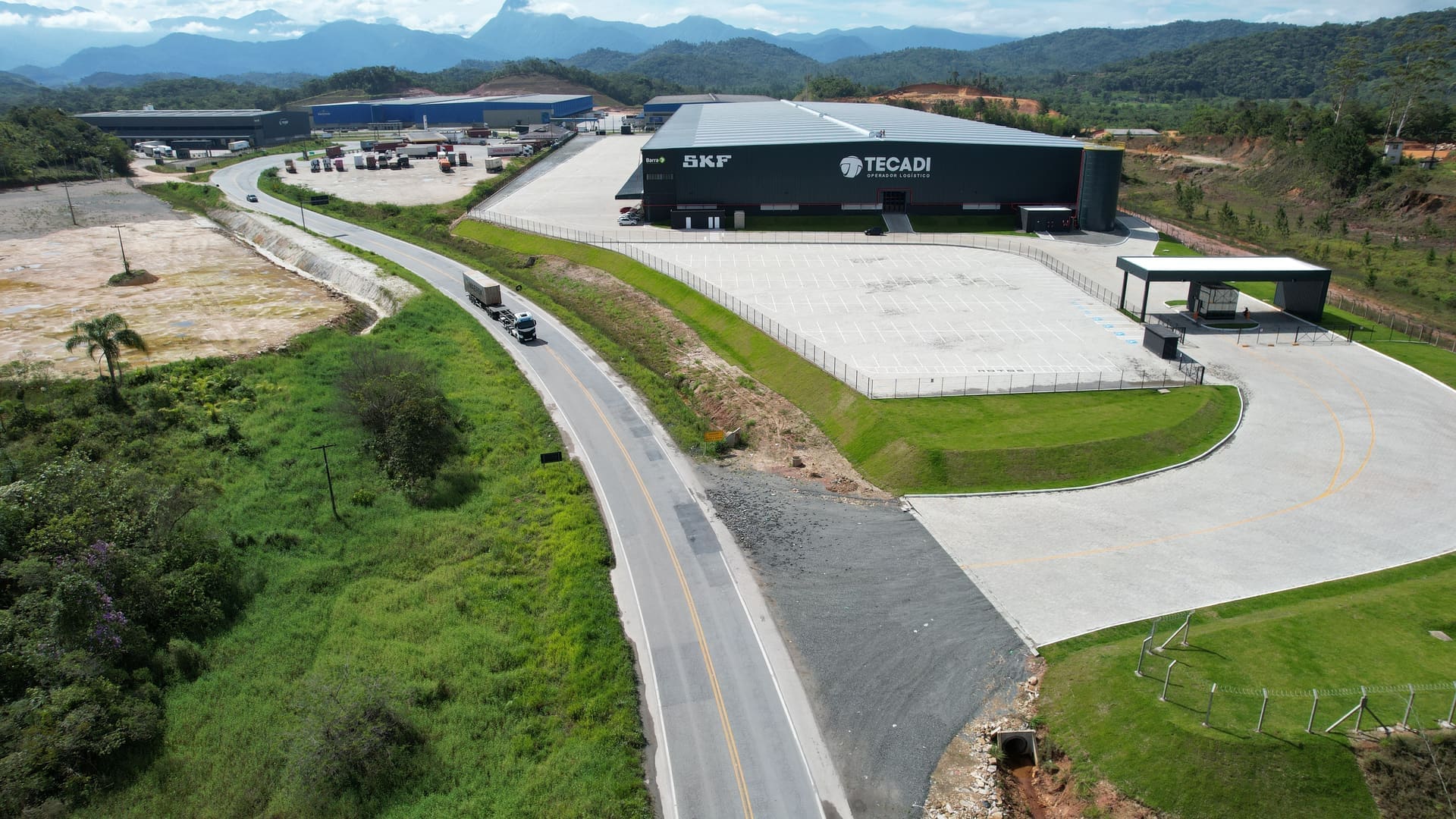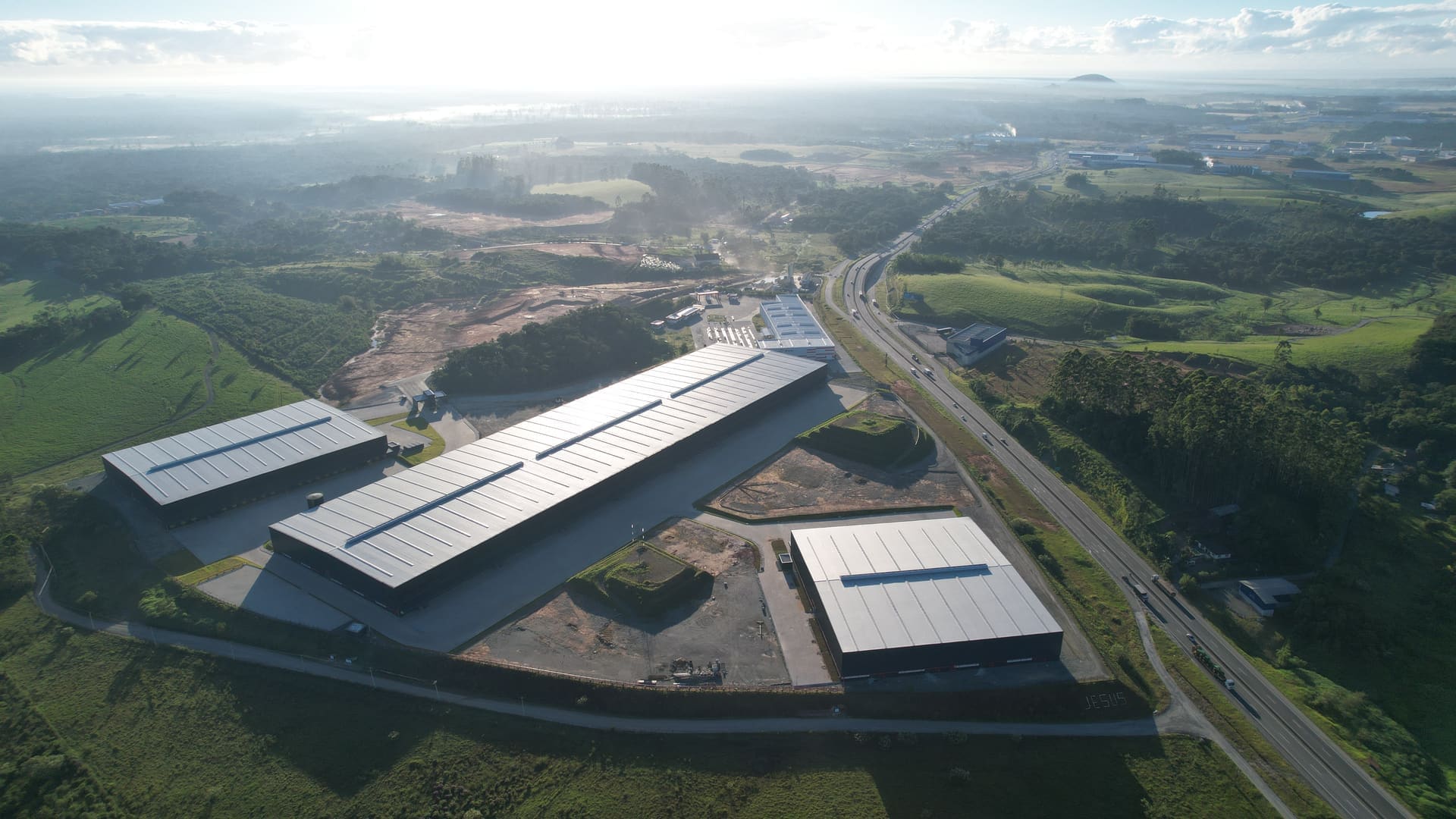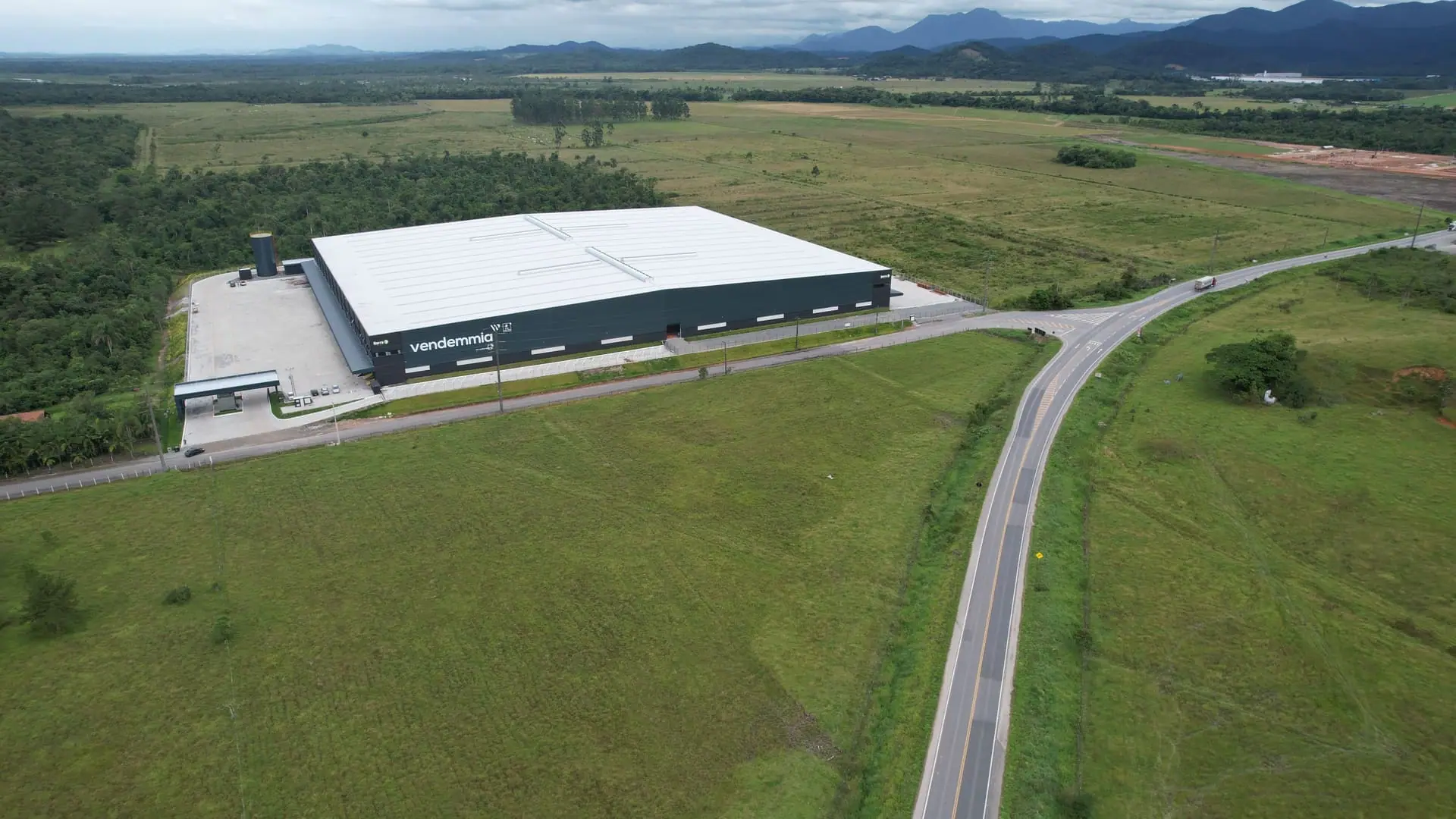
J-4 is not a type of sprinkler: it is an occupancy classification of the Santa Catarina Fire Department. Understand the Triple AAA standard, the J-4 occupancy permit and ESFR sprinklers — and what to ask before leasing a warehouse.
In the high-end logistics market, not every warehouse is the same. The difference between an ordinary building and a Triple AAA warehouse weighs on a logistics operator's decision — and affects insurance costs, operational efficiency and the asset's value over time.
Triple AAA: a standard, not a seal
Triple AAA is not a certification issued by any authority. It is the name the market gives to warehouses that combine a set of verifiable technical specifications. In Barra 7's developments, this standard means a clear height of 12.20 metres, floors rated for 5 to 6 tonnes per square metre, a 40-metre truck yard, docks with hydraulic levellers, roof monitors for natural ventilation and standing-seam roofing with facefelt for thermal and acoustic control.
J-4 is not a type of sprinkler
You often hear the expression "J4 sprinkler", but it is wrong. J-4 is an occupancy classification of the Santa Catarina Military Fire Department (CBMSC): it classifies warehouses according to the fire load of what will be stored, and J-4 corresponds to warehouses with a high fire load.
In practice, what matters is the occupancy permit — in Brazil, the habite-se. A warehouse with a CBMSC habite-se in occupancy J-4 is cleared by the Fire Department for this type of storage. It is the occupancy on the permit — not merely the presence of sprinklers — that defines what can be stored in the warehouse.
ESFR sprinklers: protection from the roof
ESFR stands for Early Suppression, Fast Response. These are sprinklers installed at the roof, designed to attack a fire at its early stage with a high water discharge.
In warehouses with high-bay pallet racking, ESFR sprinklers make it possible to do without in-rack sprinklers, within the storage height and commodity limits set in the design. For the tenant, this means a simpler layout and the freedom to reconfigure racks without touching the fire protection network.
A pump house with two diesel pumps
A sprinkler system depends on guaranteed pressure and flow. That is why the warehouses have a pump house with two diesel pumps — a main one and a backup. Because they run on diesel, they do not depend on the power grid to operate.
The standard in Barra 7's warehouses
In the warehouses delivered by Barra 7, this package comes complete: CBMSC habite-se in occupancy J-4, ESFR sprinklers at the roof and a pump house with two diesel pumps. The developments under construction, such as B7 & Cascavel and B7 & Otília, are designed to the same standard.
What to ask before leasing
For anyone evaluating a warehouse, the question "does it have sprinklers?" says little. The questions that matter are: what occupancy does the Fire Department permit cover, what type of sprinkler is installed and whether it requires in-rack sprinklers, and how the system is supplied. The answers define what your operation will be able to store — today and as it grows.