Understand why high-standard warehouses have become one of the favorite assets for those seeking predictable income, inflation protection and long-term appreciation — and how Barra 7 opens this market to investors.
For decades, investing in real estate meant buying apartments to rent out. That model is no longer efficient. Unpredictable vacancy, defaults, maintenance costs and low liquidity turned residential property into a demanding asset for anyone seeking true passive income.
In recent years, one asset class has earned a prominent position in investor portfolios: the logistics warehouse.
Why warehouses became the preferred asset of serious investors
The logic behind the logistics warehouse as an investment is straightforward. Unlike residential property, commercial lease agreements are signed for long terms — typically 5 to 10 years — with companies that depend on the space to operate. That means income predictability an apartment rarely delivers.
In addition, contracts are indexed to inflation benchmarks such as IPCA or IGP-M — rent rises together with inflation, preserving the investor's real return. The contract clearly defines each party's responsibilities — reducing conflicts and making asset management simpler for the owner.
Another decisive factor is the tenant profile. In high-standard warehouses, tenants are logistics operators, large retailers, pharmaceutical distributors and multinational companies. That level of financial strength drastically reduces the risk of default and prolonged vacancy.
The market behind the growth
The Brazilian logistics sector is going through an unprecedented expansion cycle. E-commerce growth, supply chain reorganization and the arrival of international companies in southern Brazil created a demand for warehouses that current supply cannot meet.
In Santa Catarina, where Barra 7 concentrates its assets, the vacancy rate for Class AAA warehouses is one of the lowest in the country — a direct reflection of demand that consistently outpaces available supply.
That imbalance is exactly what protects asset value and pushes lease prices up over time.
Warehouse quotas: how companies allocate capital to logistics assets
For companies seeking to earn returns on capital with security and predictability, logistics assets offer a concrete alternative to traditional financial investments. Instead of acquiring an entire development — whose value starts at R$ 50 to 100 million — the company acquires a quota and receives its proportional share of the income generated by the lease.
It is a way to expose capital to a real asset, with contract, tenant and cash flow already in place, without having to manage a property directly.
Unlike exchange-traded REITs — subject to the daily volatility of financial markets — direct quotas in developments such as Barra 7's are backed by the physical asset: the warehouse, the lease agreement, the tenant. Pricing follows the real estate market, not the stock exchange.
Barra 7 and the opportunity for investors
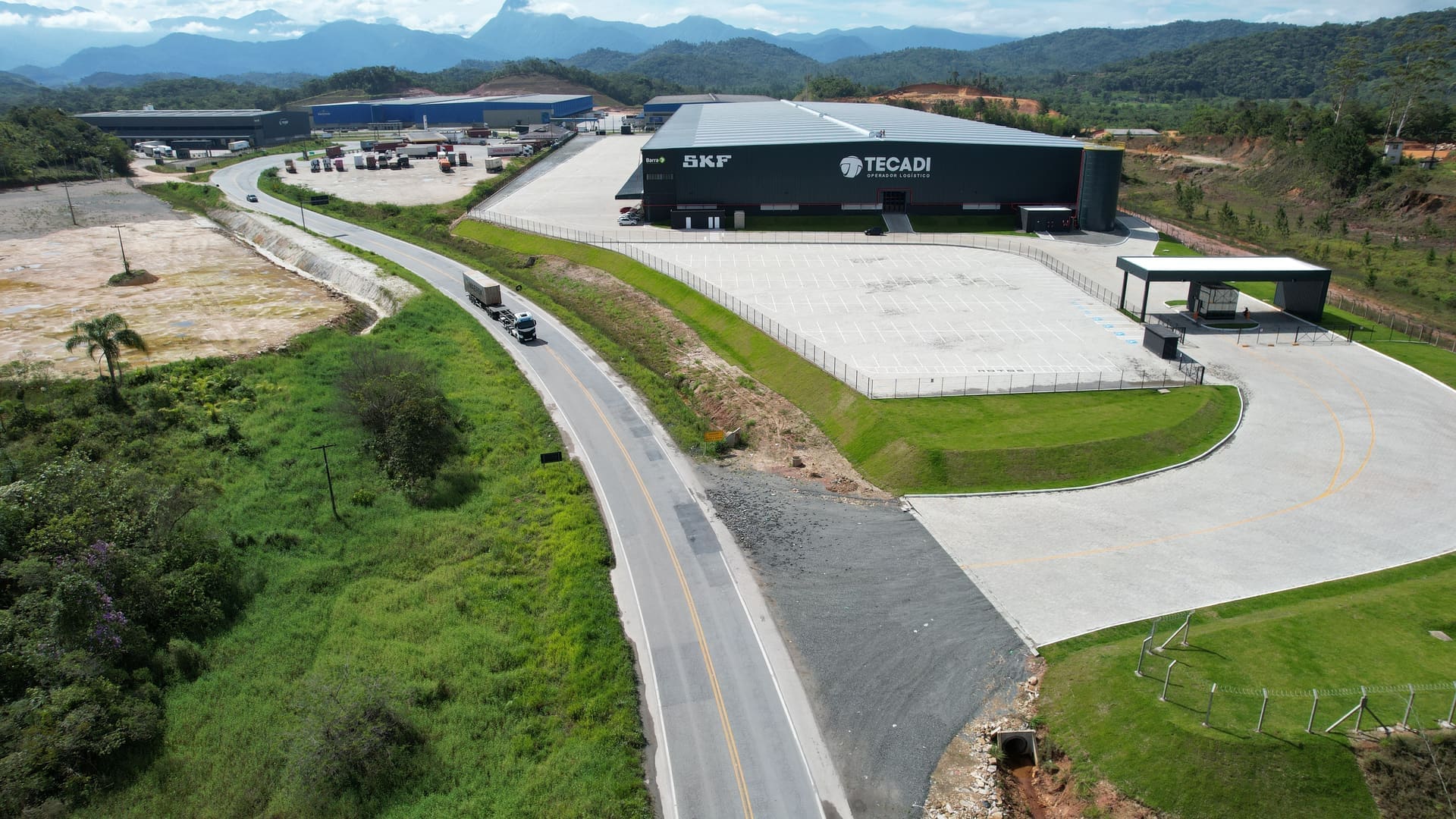
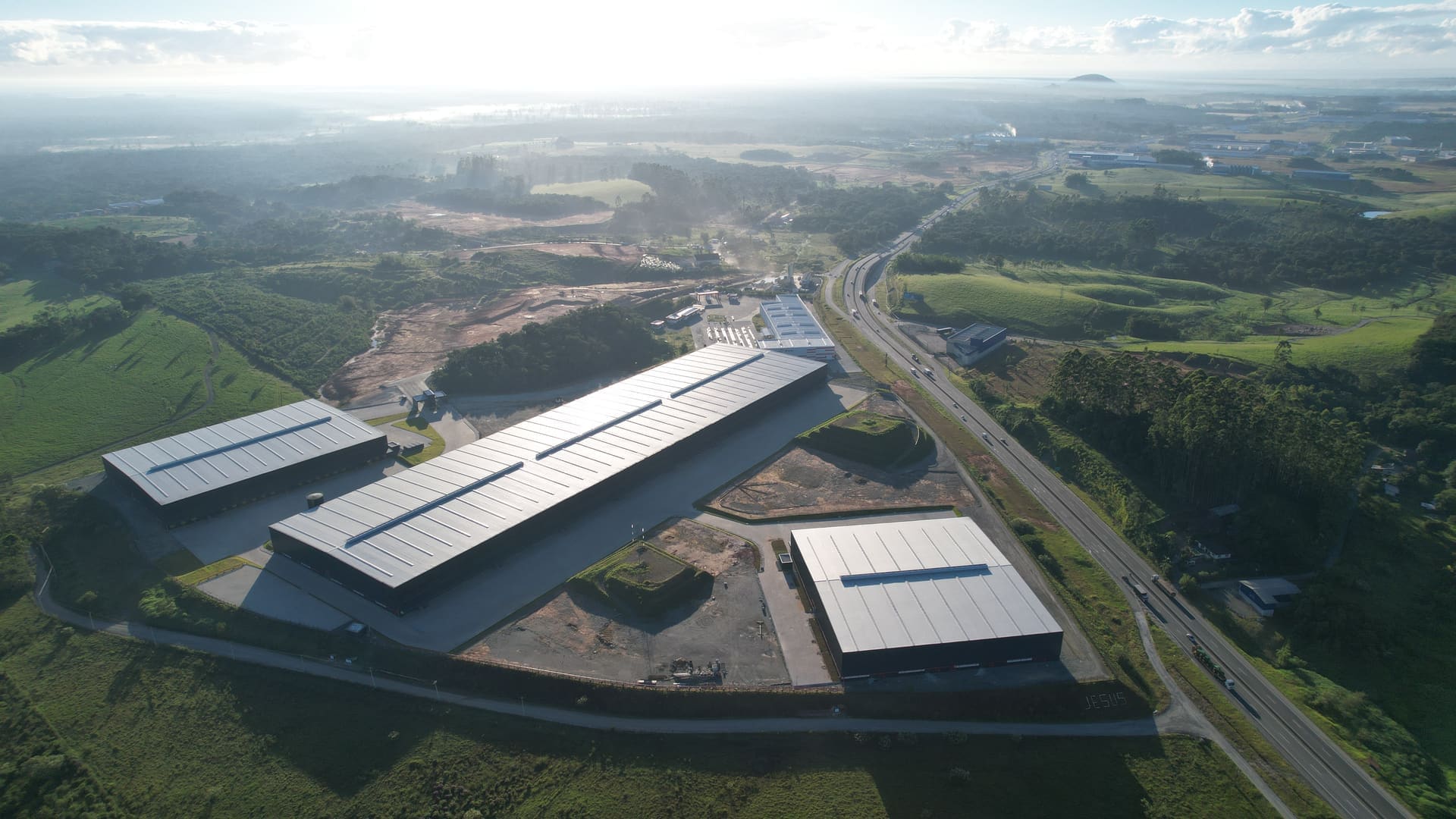
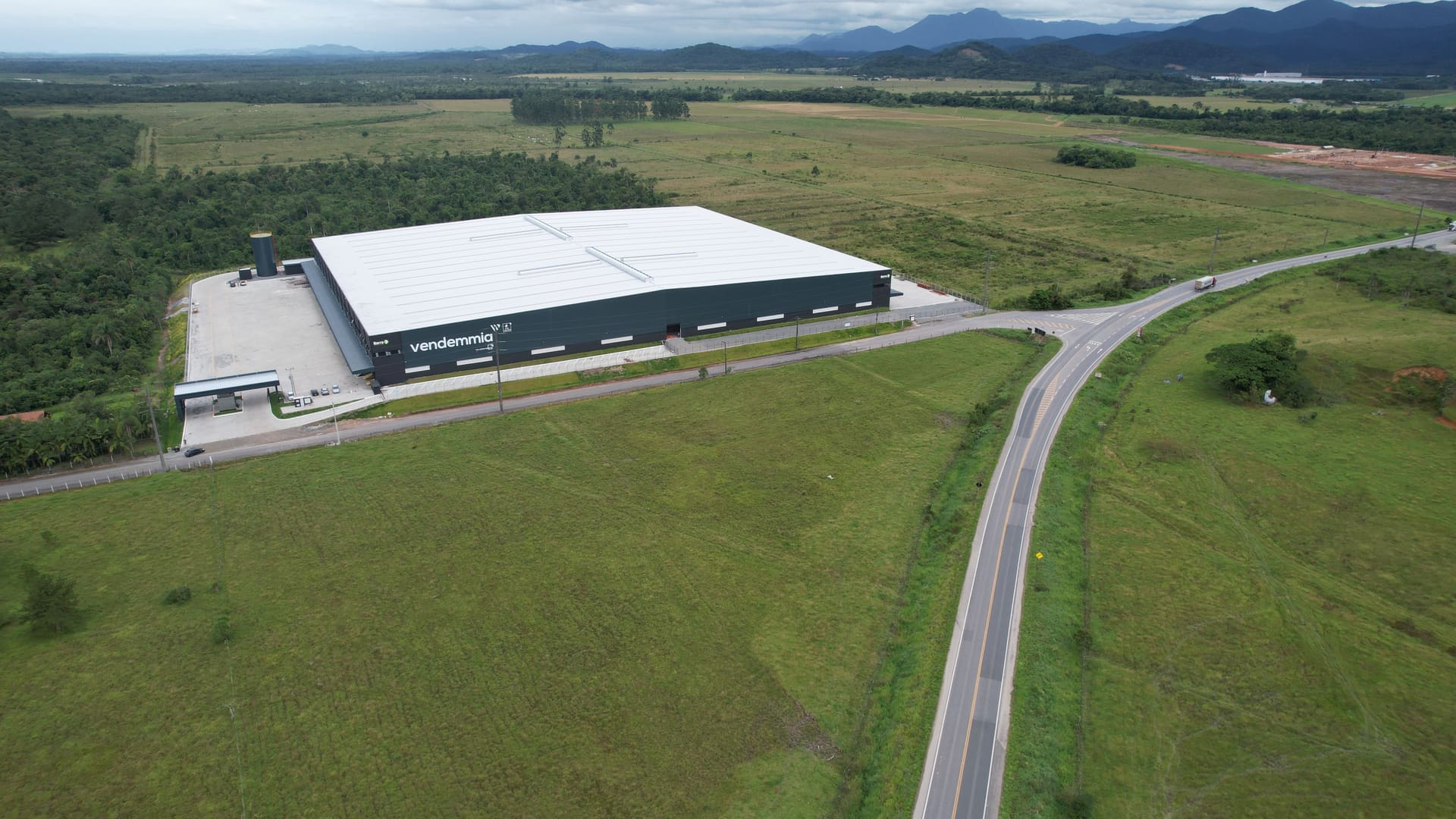
Barra 7 Empreendimentos develops Triple AAA standard logistics warehouses with ESFR sprinklers in Garuva and Araquari, in northern Santa Catarina — one of the regions with the highest demand for logistics space in southern Brazil. There are 303 thousand sqm already delivered and 202 thousand sqm under construction, with 12 years of operation.
The company offers investors the possibility of participating directly in the income generated by its developments through the acquisition of quotas — a concrete way to access a real asset with contract, tenant and cash flow already established.
For those seeking consistent passive income, inflation protection and exposure to a fast-growing sector, Barra 7's logistics assets represent an opportunity with a proven track record behind it.